
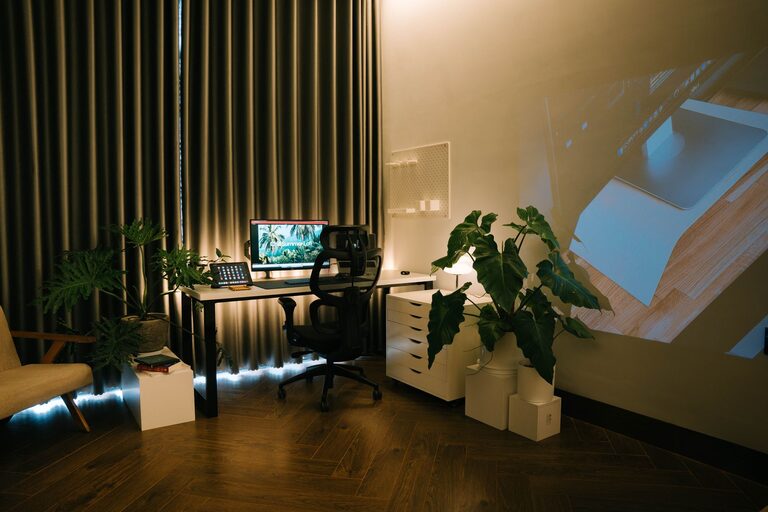
Creating a relaxing home workspace is essential for maintaining focus, reducing stress, and enhancing productivity. Whether you work remotely full-time or occasionally need a quiet corner to get things done, your environment plays a big role in how you feel and perform. This guide will walk you through practical steps to turn any space into a comfortable and calming spot that supports your work and wellbeing.
Why a Relaxing Workspace Matters
A workspace that feels relaxing helps your mind stay clear and focused. Clutter, poor lighting, and uncomfortable furniture can increase stress, cause fatigue, and lower motivation. On the other hand, a thoughtfully designed area encourages creativity, efficiency, and better work habits by making you feel at ease.
Choose the Right Location
Start by selecting a spot in your home that’s quiet and has minimal distractions. Ideally, it should be away from heavy foot traffic and noisy appliances.
– Natural Light: Pick a place near a window if possible. Natural light boosts mood and reduces eye strain.
– Privacy: If you can, use a room with a door to separate work from home life.
– Space: Ensure there’s enough room for your desk, chair, and any equipment you need.
Select Comfortable and Functional Furniture
Your furniture sets the foundation for comfort and productivity.
– Ergonomic Chair: Invest in a chair that supports your back and encourages good posture.
– Desk Height: Choose a desk that fits your height so your arms can rest comfortably.
– Adjustable Options: Consider a sit-stand desk to vary your position throughout the day.
Create an Organized Layout
An organized workspace minimizes distractions and saves time.
– Declutter Regularly: Keep only essential items on your desk.
– Use Storage Solutions: Shelves, drawers, and organizers help keep materials tidy.
– Cable Management: Use clips or sleeves to keep cords neat and out of sight.
Add Calming Colors and Decor
Color and decor impact your mood and concentration.
– Soothing Colors: Soft blues, greens, or neutral tones create a peaceful vibe.
– Plants: Adding greenery can improve air quality and promote relaxation.
– Personal Touches: Include items that inspire you, like photos or artwork, but avoid clutter.
Optimize Lighting
Proper lighting reduces eye strain and helps maintain energy levels.
– Natural Light First: Use daylight whenever possible.
– Task Lighting: A desk lamp can provide focused light for reading or writing.
– Avoid Glare: Position screens and lights to prevent reflections on your monitor.
Minimize Noise Distractions
Noise can interrupt your flow and cause frustration.
– Noise-Canceling Headphones: Helpful if you can’t control ambient noise.
– Soft Background Music: Instrumental or nature sounds encourage concentration.
– Soundproofing: Rugs, curtains, and cushions can absorb sound.
Establish a Routine and Boundaries
Your workspace becomes more relaxing when paired with good habits.
– Set Work Hours: Define clear start and end times to maintain balance.
– Take Breaks: Regular pauses help refresh your mind.
– Keep Work and Personal Life Separate: Avoid working in spaces meant for relaxation or entertainment.
Keep Technology in Check
Technology is vital but can also be a source of stress.
– Organize Devices: Have a designated spot for your phone, tablet, and chargers.
– Limit Notifications: Silence unnecessary alerts during focused work periods.
– Regular Maintenance: Keep your computer and apps updated to prevent glitches.
Incorporate Wellness Practices
Small wellness habits in your workspace can boost relaxation.
– Aromatherapy: Scents like lavender or eucalyptus may reduce anxiety.
– Comfort Items: Use a soft cushion or footrest to improve comfort.
– Hydration: Keep water nearby to stay refreshed.
Final Thoughts
Creating a relaxing home workspace is about combining comfort, organization, and personal preferences. By thoughtfully considering your environment and routines, you can build a space that not only supports your work but also contributes to your overall wellbeing. Start with small changes and adjust as you go to find what works best for you.