
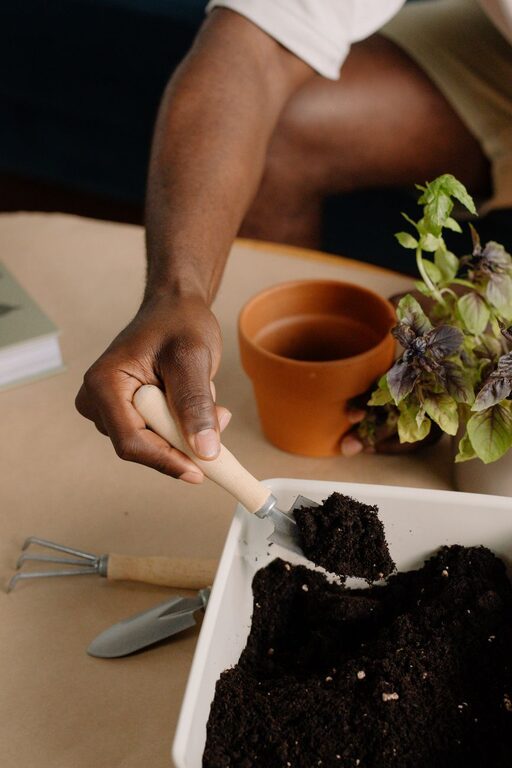
Starting a small herb garden indoors is a rewarding and practical way to add fresh flavors to your meals while bringing a touch of greenery into your home. Whether you have a sunny windowsill, a kitchen counter, or a small balcony, growing herbs indoors can be both satisfying and surprisingly easy. This guide will walk you through everything you need to know to get started, from selecting herbs to caring for them.
Why Grow Herbs Indoors?
Growing herbs inside offers several advantages:
– Freshness: Snip fresh herbs right when you need them.
– Convenience: No need to run to the store for basic seasonings.
– Space-saving: Ideal for small living spaces or those without a garden.
– Year-round growth: Indoor conditions protect plants from weather.
Choosing the Right Herbs for Your Indoor Garden
Not all herbs thrive equally indoors, so it’s best to start with beginner-friendly varieties:
– Basil: Loves warmth and sunlight, great for Italian dishes.
– Mint: Grows quickly and spreads easily; keep in a separate pot.
– Parsley: Prefers cooler temperatures and indirect light.
– Thyme: Needs bright light and well-drained soil.
– Chives: Tolerant of varying light levels, useful for garnishes.
– Cilantro: Enjoys cooler spots and moist soil.
Select herbs you use frequently in cooking to make your garden both practical and enjoyable.
What You’ll Need to Start
Before planting, gather your materials:
– Containers: Choose pots with drainage holes; small pots (4-6 inches) work well.
– Potting mix: Use a high-quality, well-draining potting soil formulated for indoor plants.
– Seeds or starter plants: You can start from seeds or buy young herb plants from a nursery.
– Light source: Natural sunlight or supplemental grow lights.
– Watering can: Preferably with a narrow spout for controlled watering.
Step-by-Step Guide to Planting Your Indoor Herb Garden
1. Select Your Location
Most herbs need at least 6 hours of sunlight daily. A south-facing window is ideal. If natural light is limited, consider using LED grow lights placed 6-12 inches above the plants.
2. Prepare Your Containers
Fill your pots with potting mix, leaving about an inch at the top free for watering. Moisture retention is important but be careful not to overpack the soil.
3. Planting Seeds or Transplants
– Seeds: Follow the instructions on the seed packet regarding depth and spacing. Water gently after planting.
– Starter plants: Remove the herb gently from its nursery container, loosen the roots, and plant in your pots.
4. Watering Your Herbs
Water the soil thoroughly until water drains out of the bottom. Let the top inch of soil dry out before watering again to prevent root rot. Herbs prefer consistent moisture but dislike soggy soil.
5. Provide Adequate Light
If indoors, place your herbs in the brightest spot available or use grow lights on a 12-16 hour daily timer.
Caring for Your Indoor Herb Garden
Pruning and Harvesting
Regular pruning encourages bushier growth and prevents your herbs from flowering too early, which can affect taste. Snip leaves using scissors, harvesting no more than one-third of the plant at a time.
Feeding Your Herbs
Feed your plants with a balanced, water-soluble fertilizer every 4-6 weeks during active growth. Avoid over-fertilizing, which can reduce flavor intensity.
Monitoring for Pests
Indoor herbs can attract pests like spider mites or aphids. Inspect leaves regularly and clean with a damp cloth or mild insecticidal soap if needed.
Troubleshooting Common Issues
– Yellow leaves: Often caused by overwatering or poor drainage.
– Leggy growth: Plants stretching for light means they need more sunlight.
– Slow growth: Could be due to low nutrients or too little water.
Adjust care based on these signs to keep your garden thriving.
Tips for Maximizing Your Indoor Herb Garden’s Success
– Rotate pots weekly to ensure even light exposure.
– Use saucers under pots to protect surfaces from water damage.
– Group herbs with similar light and water needs together.
– Consider companion planting; some herbs grow better side by side.
Conclusion
Starting a small herb garden indoors is a manageable and enjoyable project with many benefits. You’ll not only enhance your cooking but also add fresh, natural beauty to your living space. With a little care and attention, your indoor herbs will thrive and provide you with delicious, fresh ingredients all year-round.
Happy gardening!